
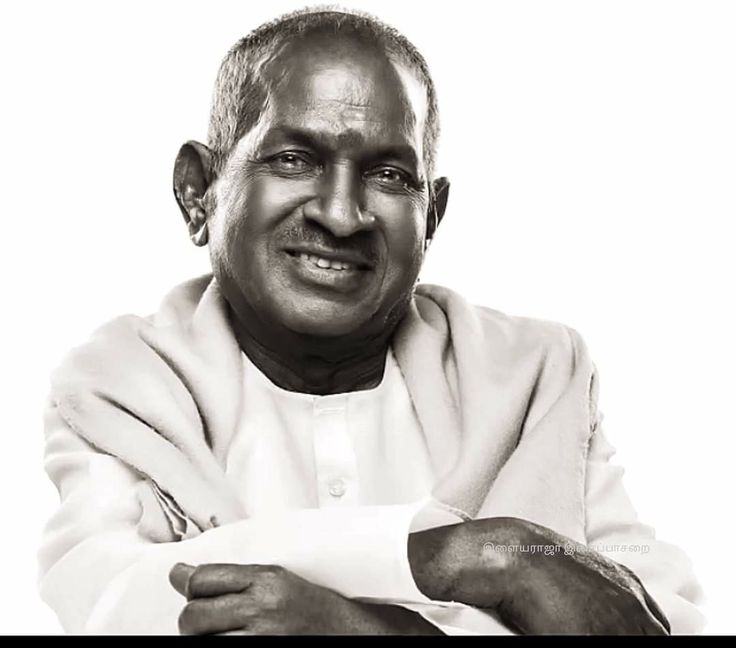
By Sivasankar venkatakrishnan (oshovenkat)
Some names are not just names — they are lifelines. For me, Ilaiyaraaja is not just a music director. He is the pulse of my emotions, the soul of my memories, and the voice of my silence.
I grew up in Tamil Nadu, surrounded by films, culture, and most of all — music. As a child, I didn’t know what chords, scales, or symphonies meant. But I knew one thing — when Ilaiyaraaja’s music played, something shifted inside me. Whether it was the haunting melody of a village love story or the thunderous backdrop of an emotional climax, his music became my teacher, healer, and silent companion.
As I matured, life threw its highs and lows. I’ve faced love, heartbreak, loss, and deep introspection. Through every phase, his music remained — like a shadow that never left my side. When I fell in love, his songs gave words to my heart’s whispers. When I was shattered, his tunes gave meaning to my silence. When I needed strength, his rhythm pushed me forward. Even today, at 48, when I walk into the gym with a heavy mind or a tired body, just playing one of his tracks charges me with an unexplainable fire from within. His music doesn’t just motivate me — it moves me.
Ilaiyaraaja’s music is not composed — it is birthed. It carries the raw essence of life. He doesn’t just use instruments — he makes nature itself sing. The chirping of birds, the rustling of leaves, the quietness of the night — he turns them all into music. He gave us not just songs but feelings, captured forever in timeless tunes. He made the veena weep and the flute fall in love. He made the mridangam roar and the violin whisper secrets.
Even today’s music directors, no matter how talented, have at some point closed their eyes and listened to him to understand what true emotion in music means. Because without experiencing Ilaiyaraaja, one cannot truly be a student of music.
He is not just a legend in Tamil Nadu — he is the heartbeat of South Indian cinema. He redefined film music, created a new grammar for storytelling, and broke the borders between film, folk, classical, and Western music. His 7000+ songs and 1000+ film scores are not just numbers — they are living emotions embedded in the minds of millions.
He is also the only Indian to have composed a full Western classical symphony with the Royal Philharmonic Orchestra. Who else could blend Carnatic ragas with Western harmony so seamlessly, or make a simple village scene feel cosmic through a single background score?
For me, his music has become sacred. It has walked with me through every chapter of my life. It has cried with me, laughed with me, and grown with me. When I lost loved ones, it was his music that gave me courage. When I felt alone, it was his voice through the speakers that reminded me — “I am still with you.”
Ilaiyaraaja is not just Isaignani. To many of us, he is Isai Devan — the God of Music. He doesn’t just create songs. He creates life.
And in my life, for all time, he will always be there — in every heartbeat, in every breath, in every pause between words.